Benefits of Ergonomics in the Workplace
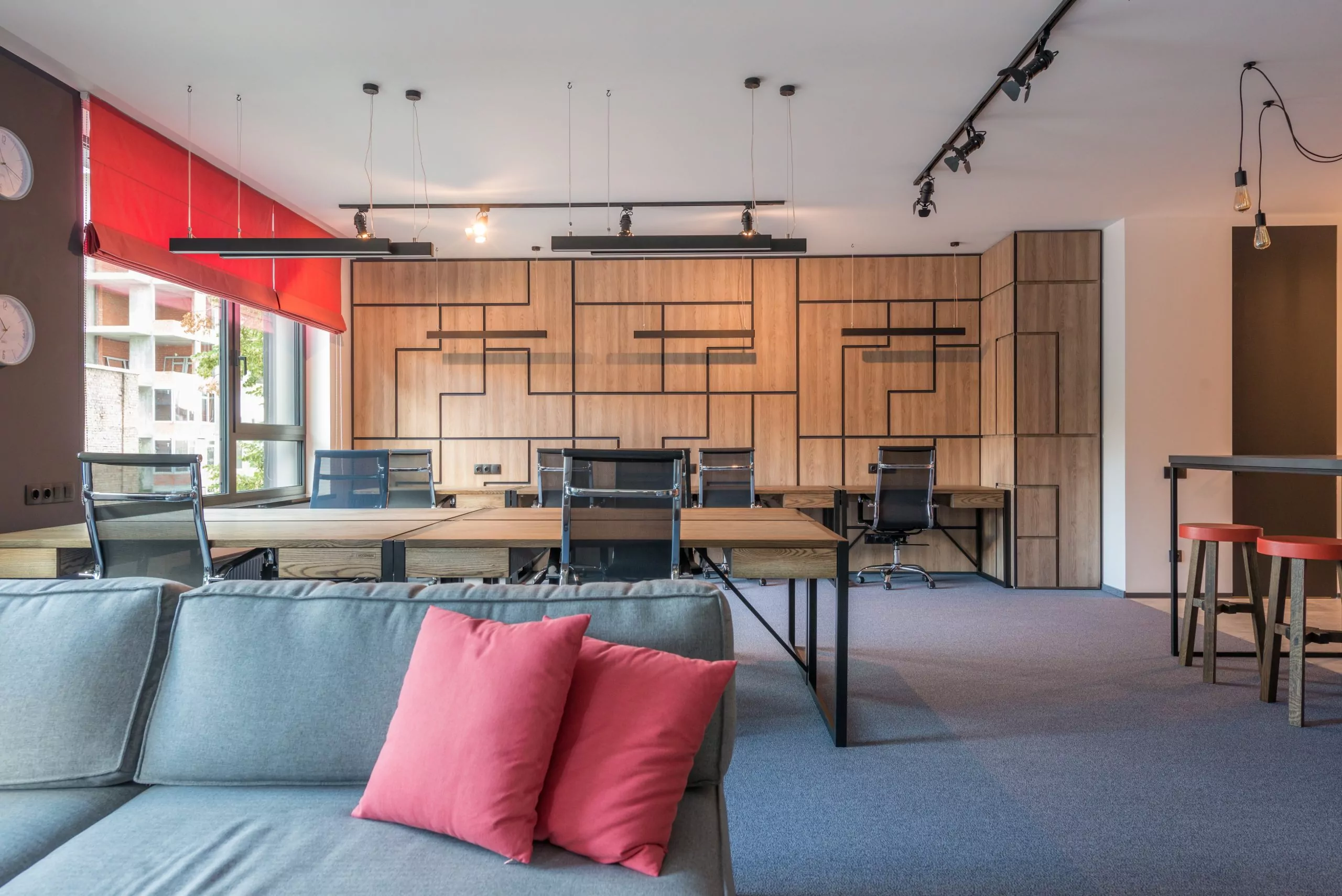
Ergonomics is the study of how people interact with their work environment, and it plays a crucial role in creating a comfortable and efficient workspace. By incorporating ergonomic principles into your office design, you can reduce the risk of musculoskeletal disorders, increase productivity, and improve employee satisfaction. Investing in ergonomic furniture such as adjustable chairs and standing desks can help prevent back pain, neck strain, and other common workplace injuries.
In addition to physical health benefits, ergonomics can also have a positive impact on mental well-being. By creating a workspace that supports good posture and reduces physical strain, employees are more likely to feel comfortable and focused throughout the day. This can lead to higher levels of job satisfaction, lower absenteeism, and increased overall productivity.
The Importance of Choosing the Right Office Color
The color of your office can have a significant impact on employee mood, productivity, and creativity. Studies have shown that certain colors can evoke specific emotions and behaviors, so it's important to choose a color scheme that aligns with your company's goals and values. For example, blue is often associated with calmness and productivity, making it a popular choice for office spaces. On the other hand, yellow is known to stimulate creativity and energy, making it a great option for design studios or marketing agencies.
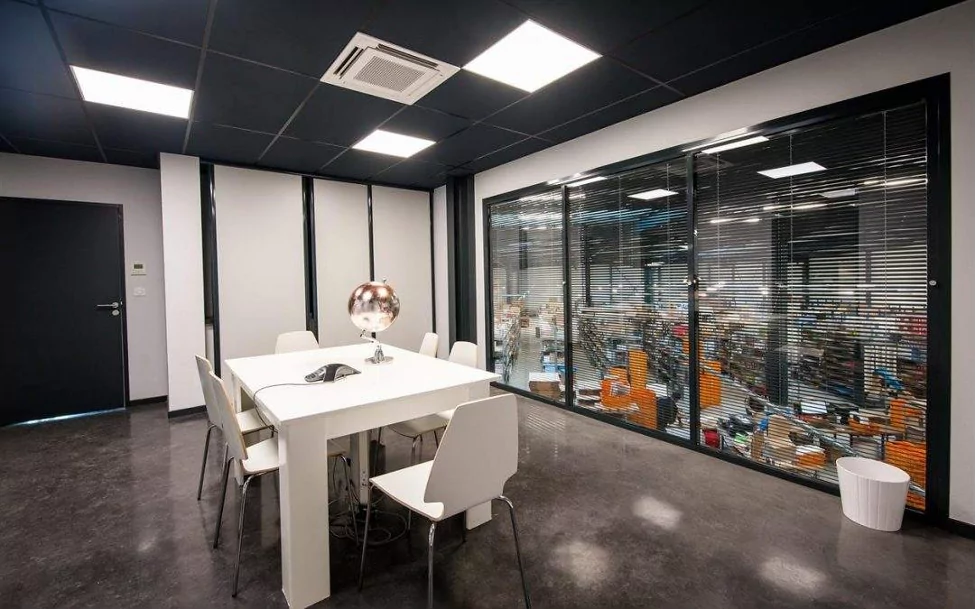
When selecting a color for your office, consider the type of work being done in each area. For example, a conference room may benefit from a calming blue or green hue to promote focus and collaboration, while a break room could benefit from a warm and inviting color like orange or red. By carefully choosing the right colors for each space, you can create a harmonious and productive work environment for your employees.