Blog

Showroom hours: Monday - Friday (9a-5p) | Get Directions
Office design plays a critical role in fostering an environment that enhances employee productivity. A well-planned workspace can significantly reduce distractions and improve focus, thus enabling employees to perform at their best. By incorporating elements such as adequate lighting, functional furniture, and thoughtful layout, businesses can create spaces that not only motivate employees but also support their daily tasks efficiently.
Moreover, office design can influence collaboration among team members. Open spaces with communal areas encourage teamwork and brainstorming, whereas private areas provide the necessary quiet for tasks that require concentrated effort. Balancing these different environments is key to maximizing productivity, making office design an essential factor in achieving overall business success.
Integrating ergonomics into office renovation is vital for enhancing employee well-being and health. Ergonomically designed furniture can help reduce the risk of injuries related to repetitive strain and poor posture, leading to a more comfortable working experience. By assessing individual needs and providing adjustable desks, chairs, and accessories, businesses can significantly improve their employees' health outcomes.
Additionally, a focus on ergonomics demonstrates a company's commitment to its workforce. Employees who feel valued are likely to exhibit higher morale and lower absenteeism rates. Investing in ergonomic solutions during renovation not only benefits the employees but can also contribute to a more productive and engaged workforce, ultimately reflecting positively on the company's performance.
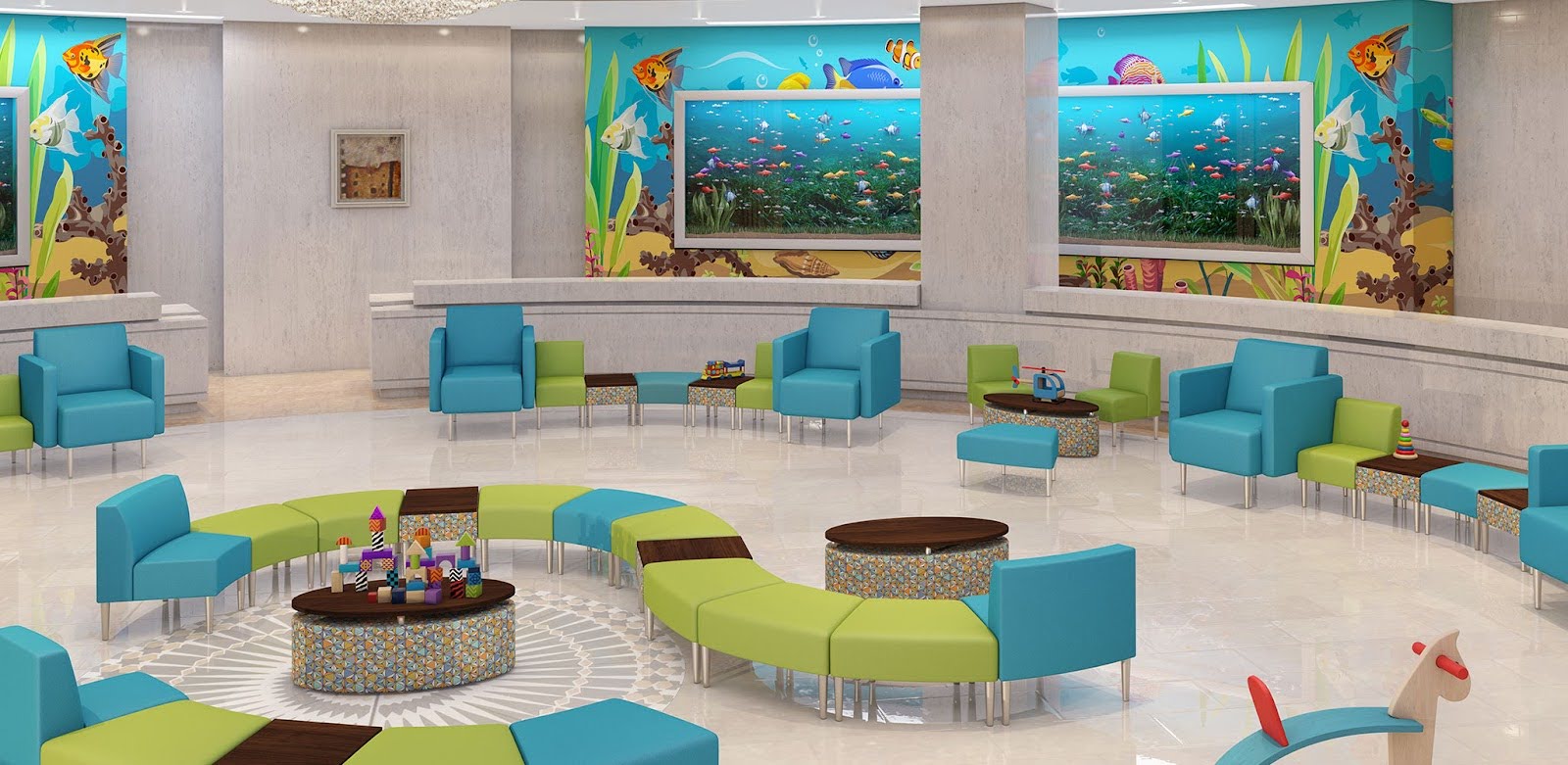
A welcoming environment in the office is crucial for making a positive first impression on both employees and visitors. Design elements such as color schemes, artwork, and greenery can significantly affect the atmosphere of a workspace. Choosing warm, inviting colors and incorporating natural elements can make the office feel more engaging and less sterile, thus enhancing the overall mood of the space.
Moreover, areas designed for relaxation and informal interactions can further contribute to a welcoming atmosphere. Comfortable lounges or break areas allow employees to decompress and interact socially, fostering a sense of community within the workplace. Such design choices not only enhance employee satisfaction but also can be pivotal in attracting potential clients and talent in the competitive market.