Blog

Showroom hours: Monday - Friday (9a-5p) | Get Directions
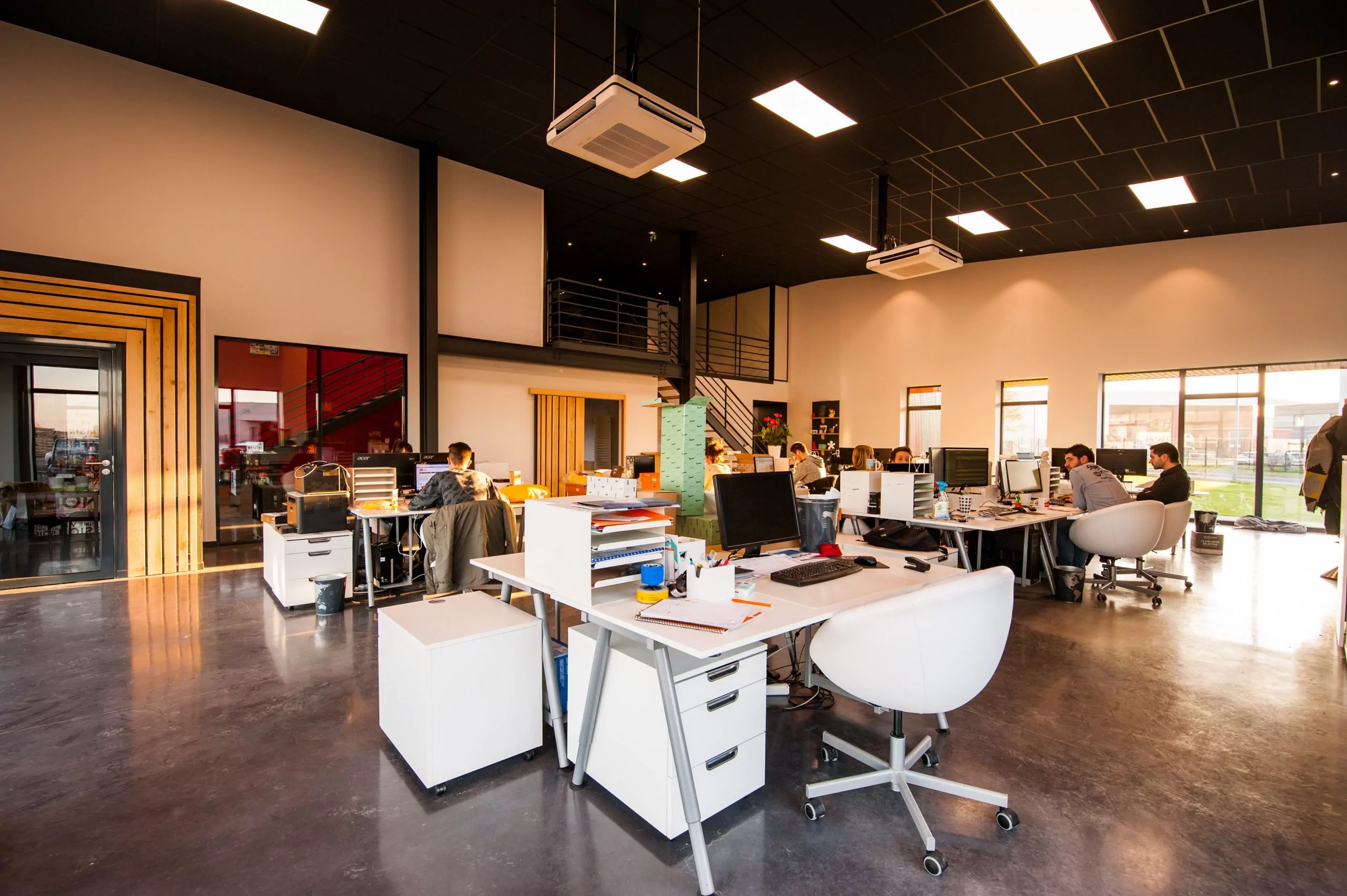
As the workplace evolves, so do the designs of office furniture. Emerging trends focus on creating multifunctional spaces that promote collaboration and flexibility. This shift is driven by the need for adaptability in work environments, allowing employees to transition between different tasks seamlessly.
For instance, modular furniture systems are gaining popularity, enabling businesses to reconfigure their spaces as needed. Additionally, sustainable materials are becoming a priority, with many manufacturers incorporating eco-friendly practices into their production processes, appealing to environmentally conscious consumers.
In urban environments, small office spaces are becoming increasingly common. Maximizing these areas requires strategic planning and the use of space-saving furniture solutions. To optimize functionality, businesses can incorporate vertical storage and multi-purpose furniture that serves dual roles without sacrificing style.
For example, a wall-mounted desk can provide a workspace without taking up floor space, while shelving units can double as room dividers. By utilizing smart design principles, small offices can become efficient and inspiring work environments that enhance productivity.
Ergonomics plays a critical role in the design of office furniture, directly impacting employee health and productivity. Proper ergonomic support can reduce strain and discomfort, leading to improved focus and job satisfaction. Businesses are increasingly recognizing the importance of investing in ergonomic solutions to foster a healthier workplace.
For instance, adjustable desks and chairs allow employees to customize their workstations according to their comfort needs. Studies have shown that ergonomic interventions can lead to significant reductions in workplace injuries and absenteeism, ultimately benefiting the company's bottom line.
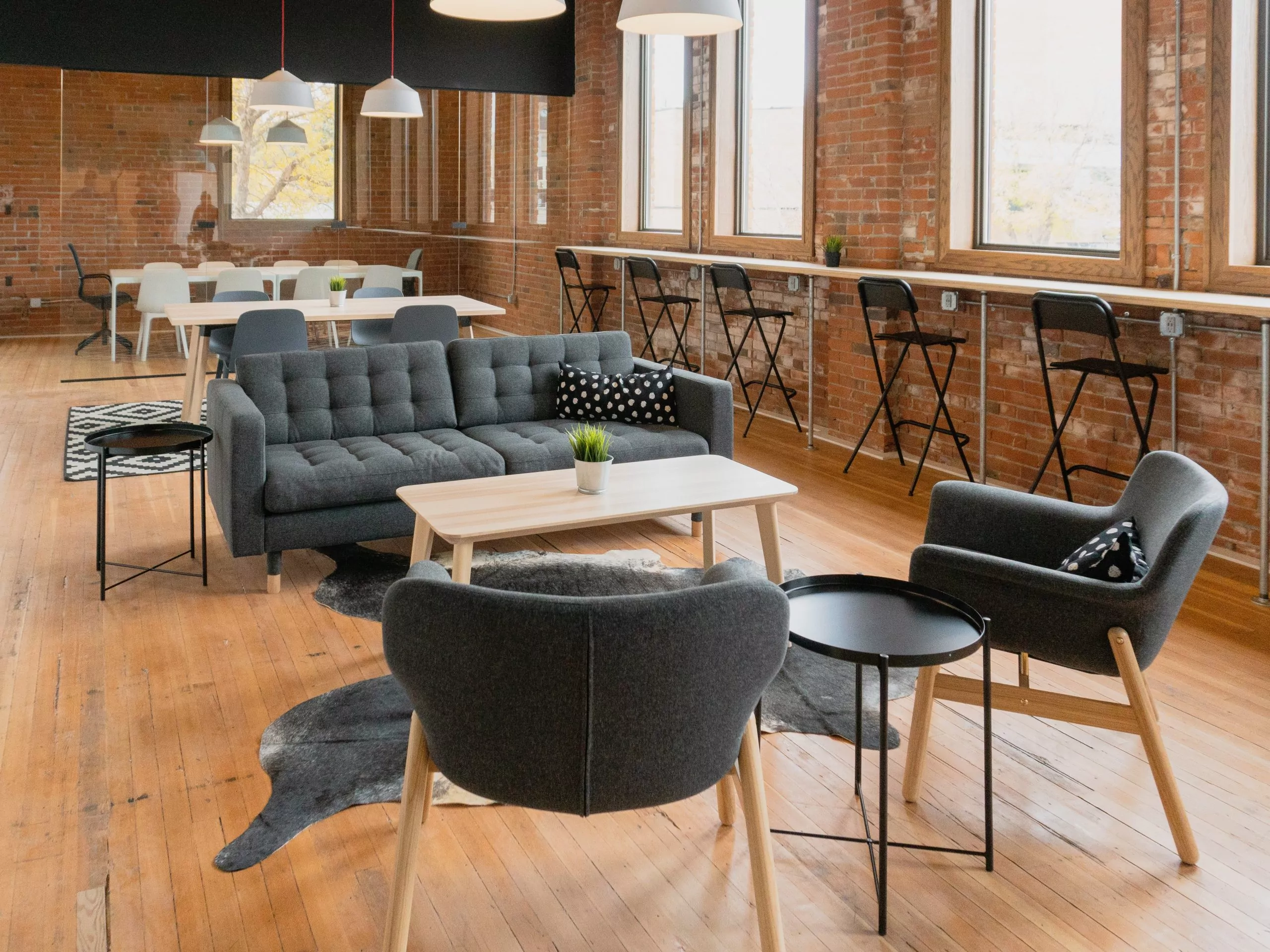
As teamwork becomes more integral to business success, designing collaborative workspaces is essential. These areas encourage interaction and creativity, often featuring open layouts and communal furniture arrangements. The goal is to create an environment where employees feel comfortable sharing ideas and working together.
Incorporating elements like lounge seating, brainstorming zones, and flexible meeting spaces can enhance collaboration. Companies that prioritize this design philosophy often see increased innovation and employee engagement, as team members are inspired to connect and collaborate more effectively.