Understanding the Importance of Office Furniture Layout
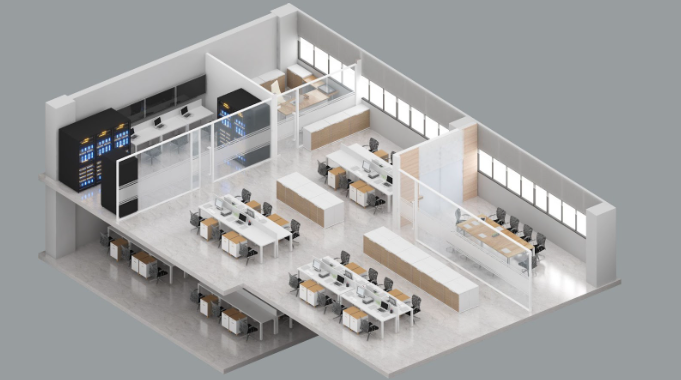
The layout of your office furniture plays a pivotal role in defining the overall workflow and productivity levels among employees. A well-thought-out layout not only optimizes space but also promotes collaboration and communication among team members. By strategically positioning desks, chairs, and other furniture pieces, you can create an environment that fosters creativity and efficiency.
An efficient office furniture layout can also minimize distractions and interruptions, contributing significantly to employee satisfaction and performance. For instance, open-plan designs encourage teamwork but need to balance privacy as well. Effective zoning can help achieve this balance, allowing areas for quiet work alongside collaborative spaces.
How to Select the Right Office Furniture for Your Team
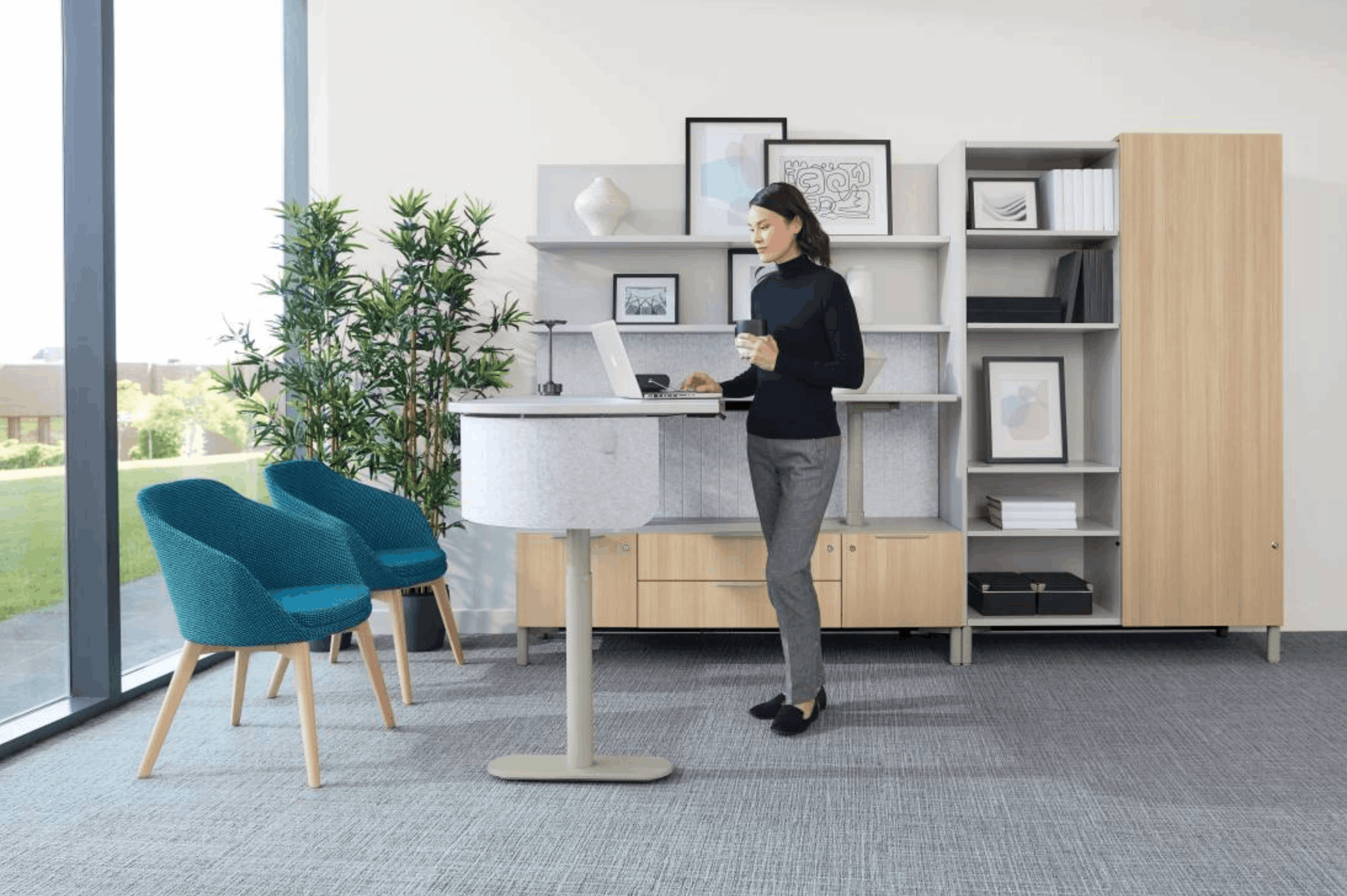
Selecting the right office furniture is crucial to ensuring your team remains comfortable and productive. Factors such as ergonomic design, adjustable options, and material quality should be considered to cater to diverse employee needs and preferences. The furniture should support a healthy posture and adapt to individual requirements, promoting well-being in the workplace.
Moreover, understanding your team's workflow can guide your furniture choices. For teams that rely heavily on collaboration, investing in modular furniture or shared workspaces might be beneficial. On the other hand, if the work demands concentration, individual workspaces with soundproof elements may be necessary to minimize distractions and enhance focus.
The Role of Color in Office Design
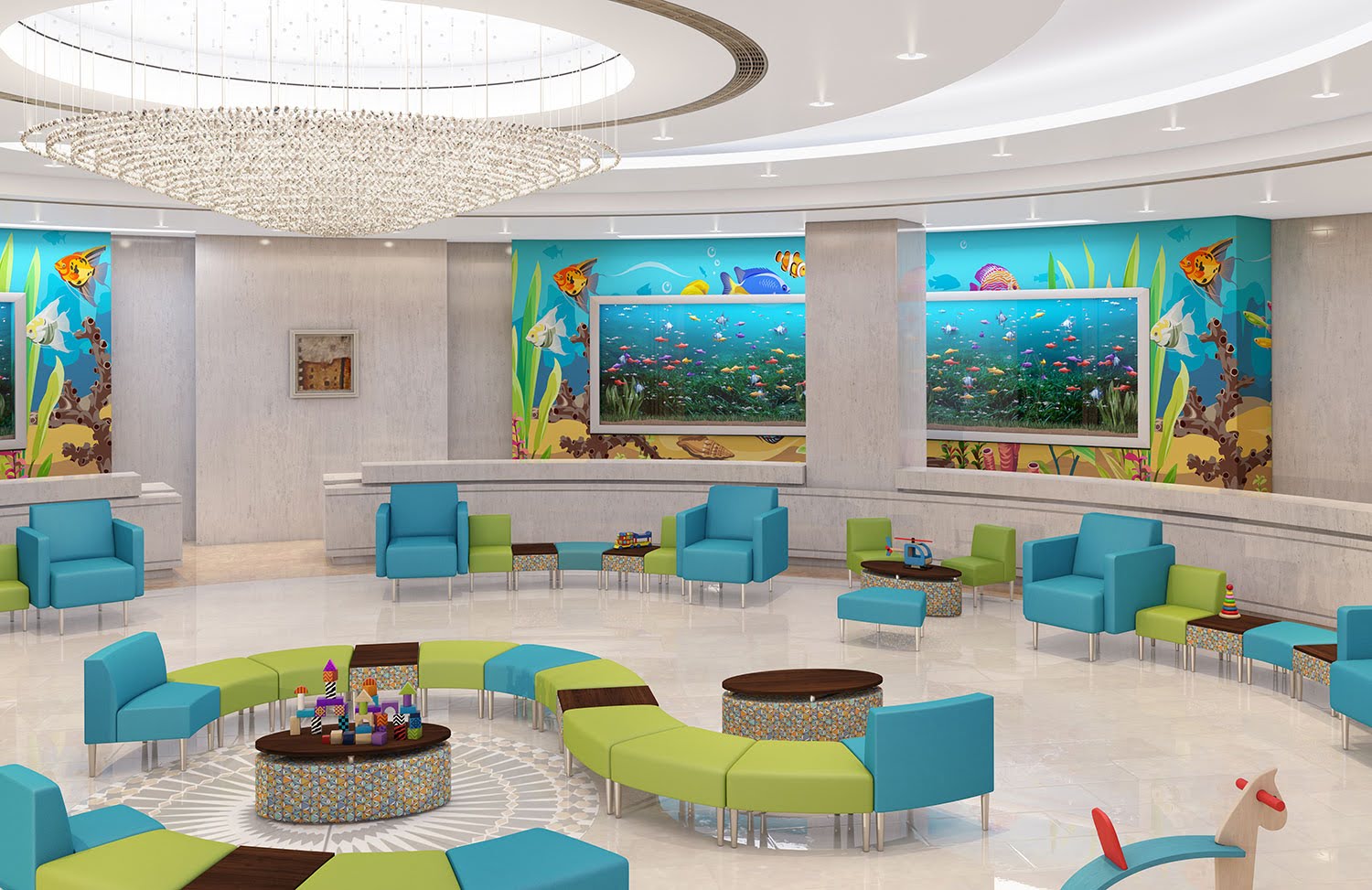
The colors used in office design can significantly impact mood and productivity. Warm tones, like reds and yellows, can energize and stimulate creativity, while cooler shades, such as blues and greens, promote calmness and concentration. It's essential to carefully select a color palette that aligns with the desired atmosphere of your workspace, considering how different colors affect employee morale.
Creating a Flexible Workspace
In today’s dynamic work environment, creating a flexible workspace has become more important than ever. This includes providing adaptable furniture that can accommodate changing team sizes, project types, and employee preferences. Desks that can easily transition from sitting to standing and movable partitions are excellent choices for fostering a versatile work atmosphere.
Flexibility in the office design can lead to greater employee satisfaction as individuals can tailor their workspace to suit their productivity needs. Additionally, it encourages collaboration and innovation by allowing teams to rearrange their environment based on specific tasks or projects. As companies transition to hybrid work models, the need for adaptive spaces will likely continue to grow.
Ensuring Your Office Meets Health and Safety Standards
Ensuring that your office meets health and safety standards is vital for maintaining a safe working environment. This includes adhering to regulations concerning furniture stability, appropriate lighting, and accessibility. Investing in quality ergonomic furniture that complies with safety guidelines can help prevent workplace injuries, thus safeguarding your employees’ health and well-being.
Regular assessments of office designs and furniture for potential hazards also play a critical role in maintaining safety standards. Employers should provide training and resources to educate employees about best practices for using office furniture safely. By prioritizing health and safety, businesses not only comply with regulations but also show commitment to their employees' welfare.