Frequently Asked Questions
How can spatial branding enhance customer experiences?
Spatial branding enhances customer experiences by creating cohesive and immersive environments that reflect a brand's identity. This alignment fosters emotional connections, guiding customer perceptions and interactions within the space, ultimately leading to increased satisfaction and loyalty.
What are the key elements of effective spatial branding?
The key elements of effective spatial branding include cohesive design, brand storytelling, sensory engagement, and functional layout. These elements work together to create an immersive environment that enhances customer experience and reinforces brand identity.
How does Furniture Soup approach interior design for branding?
Furniture Soup approaches interior design for branding by integrating aesthetic elements with functional design, ensuring that each space reflects the client's brand identity while enhancing customer experiences through thoughtful spatial branding strategies.
What examples of successful spatial branding can you provide?
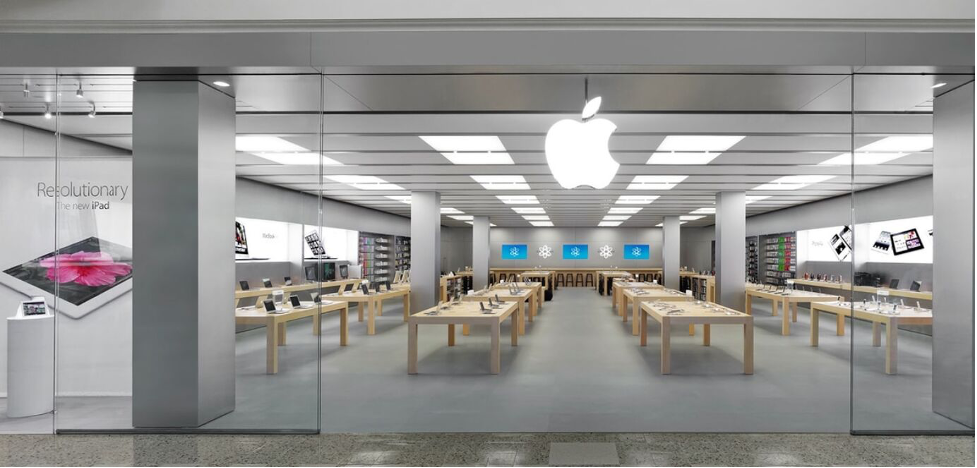
Successful spatial branding examples include Apple’s minimalist store designs that enhance product visibility and Starbucks’ cozy, inviting atmospheres that encourage customer engagement. Both effectively reinforce their brand identities through thoughtful interior design.
How can I create an effective office environment through design?
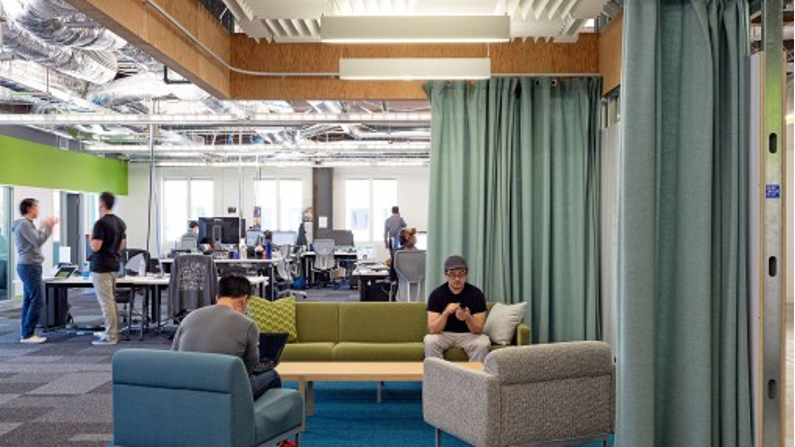
Creating an effective office environment through design involves integrating functional layouts, ergonomic furniture, and brand elements that reflect your company's identity, ultimately enhancing employee productivity and customer experiences.
What strategies improve spatial branding effectiveness?
Strategies that improve spatial branding effectiveness include creating a cohesive design that reflects the brand's identity, utilizing strategic layout and signage, and incorporating sensory elements that enhance customer engagement and experience.
How does spatial branding influence customer perception?
Spatial branding significantly influences customer perception by creating an immersive environment that reflects a brand's identity. Thoughtful design elements enhance emotional connections, making customers feel more engaged and aligned with the brand's values and offerings.
What role does color play in spatial branding?
The role of color in spatial branding is crucial as it influences emotions, perceptions, and behaviors within a space. Thoughtfully chosen colors can enhance brand identity, create a cohesive atmosphere, and improve customer experiences, ultimately reinforcing the brand's message.
How can spatial branding reflect brand identity?
Spatial branding reflects brand identity by creating an immersive environment that embodies a company's values, aesthetics, and mission. Thoughtful design elements, colors, and layouts work together to enhance customer experiences and reinforce brand recognition.
What materials enhance spatial branding in design?
The materials that enhance spatial branding in design include high-quality furnishings, unique textures, branded colors, and innovative signage. These elements work together to create a cohesive environment that reflects the brand's identity and engages customers effectively.
How to measure the impact of spatial branding?
The impact of spatial branding can be measured through customer feedback, sales performance, and brand recognition metrics. Analyzing these aspects helps assess how effectively the design enhances customer experience and aligns with brand identity.
What are common mistakes in spatial branding?
Common mistakes in spatial branding include neglecting brand consistency, overlooking customer experience, failing to utilize space effectively, and not aligning design with brand values, which can diminish the overall impact on brand identity.
How can lighting affect spatial branding outcomes?
The impact of lighting on spatial branding outcomes is significant. Properly designed lighting enhances brand identity, influences customer emotions, and improves overall experiences within a space, effectively reinforcing the intended message and atmosphere of the brand.
What trends are emerging in spatial branding?
Emerging trends in spatial branding include the integration of technology for interactive experiences, sustainable materials that reflect brand values, and flexible spaces that adapt to various functions, enhancing customer engagement and brand identity.
How to integrate technology in spatial branding?
Integrating technology in spatial branding involves utilizing digital tools and interactive elements to enhance the customer experience and reinforce brand identity. This can include smart signage, augmented reality features, and immersive environments that engage visitors and create memorable interactions.
What is the future of spatial branding?
The future of spatial branding is characterized by a growing emphasis on immersive experiences that seamlessly integrate technology, sustainability, and personalized design, enhancing customer engagement and reinforcing brand identity in physical spaces.
How can spatial branding improve employee productivity?
Spatial branding can significantly improve employee productivity by creating an inspiring and cohesive work environment that aligns with the company’s values. Thoughtfully designed spaces enhance focus, collaboration, and overall job satisfaction, leading to increased efficiency and creativity among employees.
What are the benefits of spatial branding for businesses?
The benefits of spatial branding for businesses include enhanced customer experiences, improved brand recognition, and the creation of a cohesive environment that reflects brand identity, ultimately driving customer loyalty and engagement.
How to create a cohesive spatial branding strategy?
Creating a cohesive spatial branding strategy involves aligning your interior design elements, color schemes, and brand messaging to reflect your brand identity consistently throughout the space. This ensures a unified customer experience that reinforces brand recognition.
What case studies highlight successful spatial branding?
Successful spatial branding case studies include Starbucks, which uses inviting designs to enhance customer experience, and Apple, known for its minimalist stores that reflect its brand identity. Furniture Soup draws inspiration from these examples to create impactful office environments.
How can spatial branding enhance customer loyalty?
Spatial branding enhances customer loyalty by creating memorable and immersive environments that resonate with customers' emotions and values. This fosters a strong connection to the brand, encouraging repeat visits and long-term loyalty.
What are the challenges of implementing spatial branding?
The challenges of implementing spatial branding include aligning design elements with brand identity, managing budget constraints, ensuring consistency across all spaces, and adapting to evolving customer expectations while maintaining functionality and aesthetic appeal.
How to align spatial branding with marketing efforts?
Aligning spatial branding with marketing efforts involves creating a cohesive experience that reflects the brand's identity throughout physical spaces. This can be achieved by integrating design elements that resonate with marketing messages, ensuring consistency in visuals and customer interactions.
What is the relationship between spatial branding and user experience?
The relationship between spatial branding and user experience is significant; effective spatial branding enhances user engagement and satisfaction by creating a cohesive and memorable environment that reflects the brand's identity and values.
How can spatial branding be adapted for different industries?
Spatial branding can be adapted for different industries by tailoring design elements to reflect each sector's unique values and customer expectations. For instance, a tech company might emphasize modern aesthetics, while a healthcare facility could focus on comfort and trustworthiness.
What tools assist in developing spatial branding concepts?
The tools that assist in developing spatial branding concepts include design software like AutoCAD and SketchUp, mood boards for visual inspiration, and customer journey mapping tools to ensure alignment with brand identity and enhance the overall customer experience.
How to train staff on spatial branding principles?
Training staff on spatial branding principles involves educating them about the importance of design in enhancing brand identity and customer experience. Utilize workshops, hands-on training, and case studies to illustrate effective spatial branding strategies.
What is the role of signage in spatial branding?
The role of signage in spatial branding is to communicate a brand's identity and values effectively. It enhances the customer experience by guiding navigation, creating a cohesive atmosphere, and reinforcing brand recognition within physical spaces.
How can spatial branding support sustainability initiatives?
Spatial branding can significantly support sustainability initiatives by integrating eco-friendly materials and design practices that reflect a brand's commitment to environmental responsibility. This approach enhances brand identity while promoting sustainable values within physical spaces.
What are the key metrics for evaluating spatial branding success?
The key metrics for evaluating spatial branding success include customer engagement levels, brand recall, foot traffic, and sales performance. These indicators help assess how effectively the design enhances brand identity and customer experience.