Benefits of Flip and Nest Training Tables
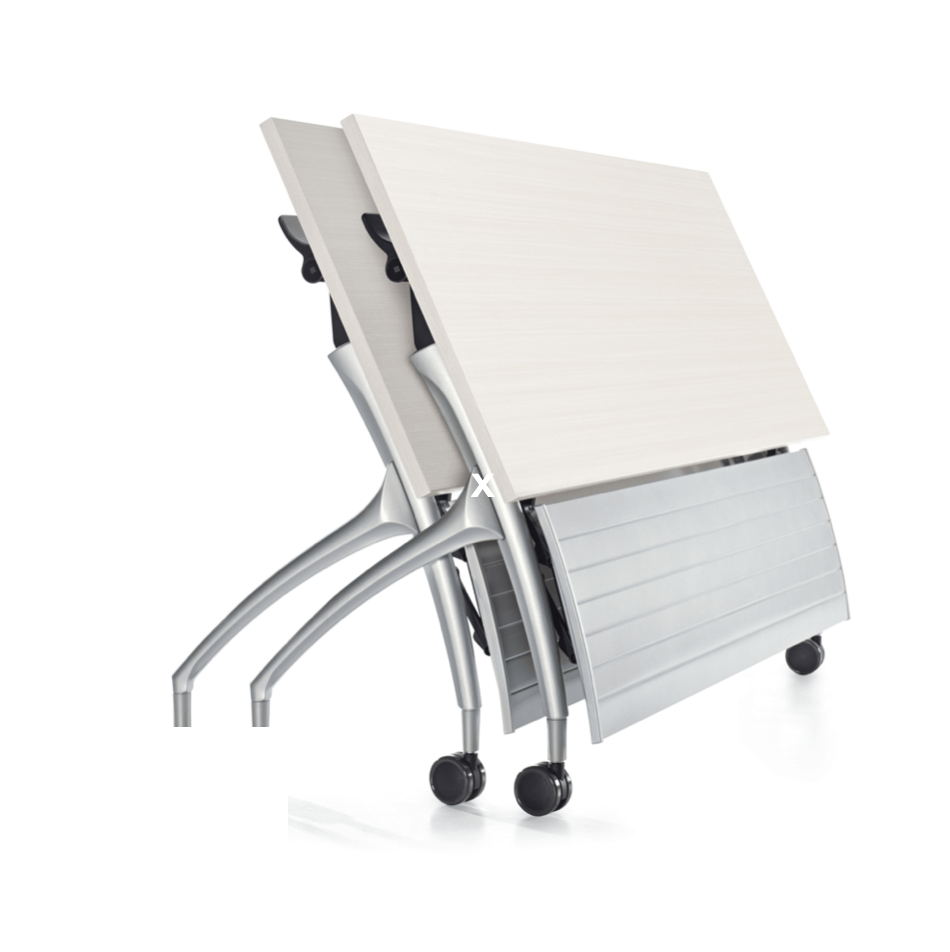
Flip and nest training tables are designed with versatility in mind, making them ideal for dynamic environments such as classrooms or conference rooms. Their ability to quickly flip and nest allows for efficient use of space, enabling easier storage when not in use. This feature is particularly beneficial in multi-purpose areas where quick setup and takedown are essential for different events or meetings.
In addition to their space-saving capabilities, these tables often come with a range of customizable options, including surface materials and finishes. This means that businesses and educational institutions can choose designs that reflect their branding or aesthetic preferences. Additionally, the ergonomic design of most flip and nest tables ensures that comfort and functionality are not compromised during use.
How to Choose the Right Training Table
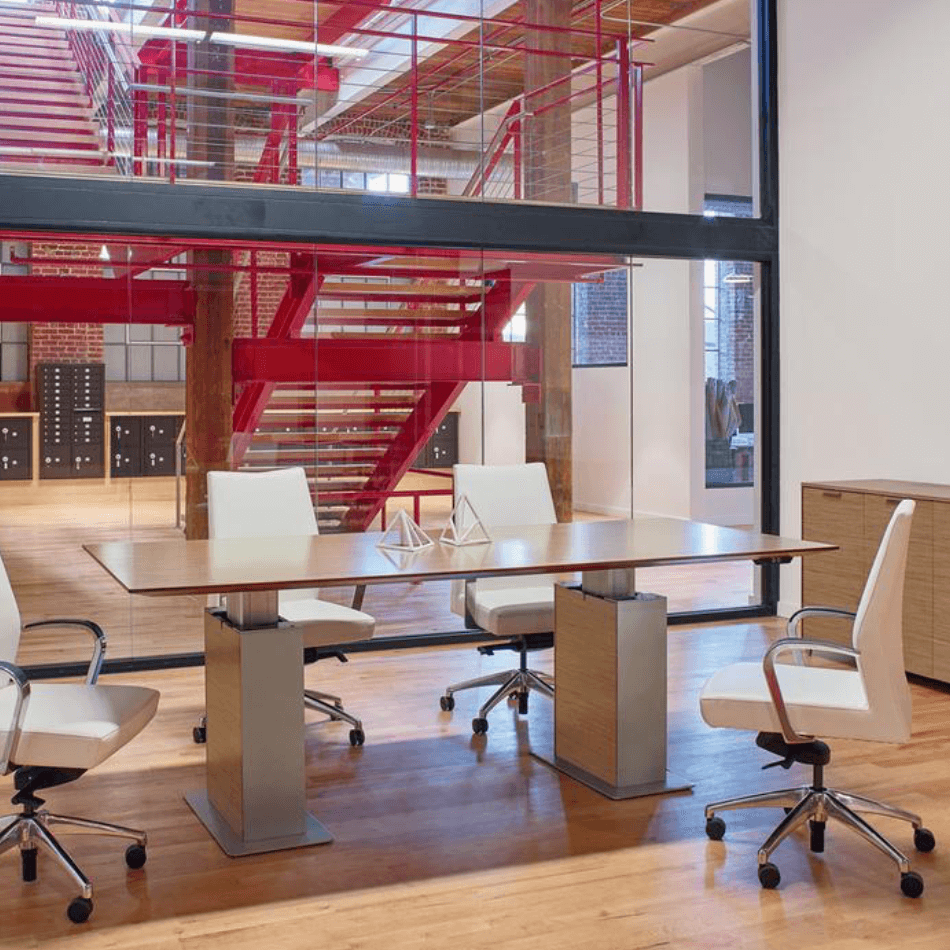
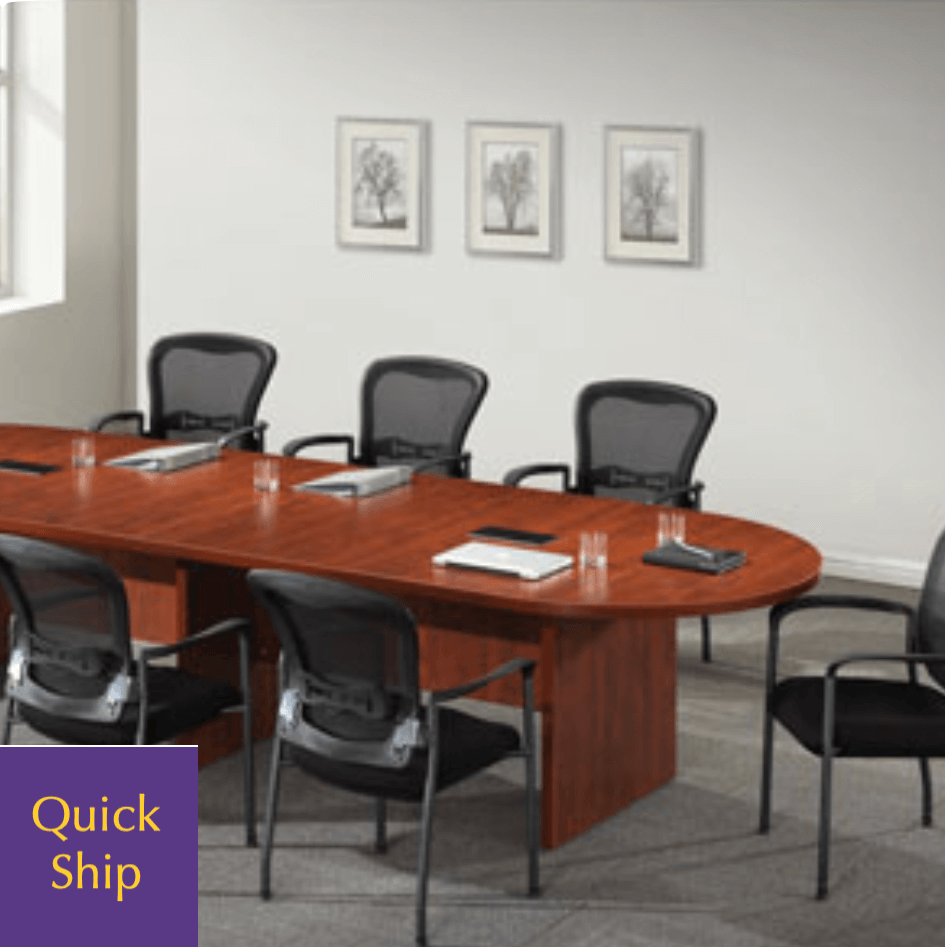
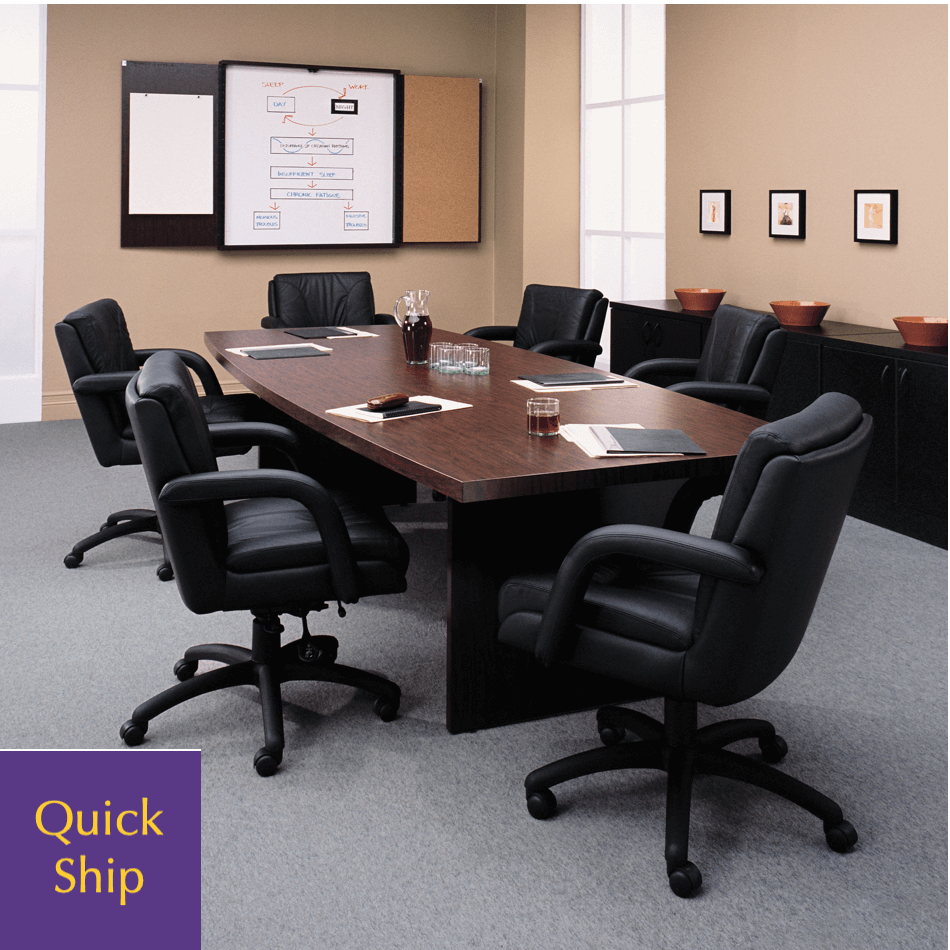
Selecting the right training table involves considering several key factors, including size, mobility, and material. It's important to assess the space where the tables will be used to ensure that they fit well and allow for easy movement around the room. Consideration of the number of people who will typically be seated at the table will also guide size decisions.
Mobility is another crucial aspect to consider; opting for tables that have wheels can greatly enhance flexibility, particularly in environments where the layout may frequently change. Furthermore, the materials used should withstand regular use and complement the existing decor of the space. This conscientious selection process ensures that the training tables not only meet practical needs but also contribute to a pleasant environment.
Maintenance Tips for Long-lasting Training Tables
Caring for training tables is essential to ensure they remain in great condition for years to come. Regularly cleaning the table surfaces with appropriate cleaners can help prevent staining and damage. It's also advisable to check for any loose screws or parts regularly to maintain stability and safety during use.
Additionally, using table covers when the tables are not in use can protect them from dust and scratches. In cases of spills, prompt cleaning is necessary to avoid long-term damage to the table surface. By following these maintenance tips, users can ensure that their investment in quality training tables yields longevity and ongoing functionality.